


8 minutos de lectura
Escalando Apoyo al Faculty Con Talento Nearshore y Expertise en LMS



La Realidad del Apoyo a los Profesores en LMS-Centered Institutions
Los profesores a menudo se enfrentan al desafío de adaptarse rápidamente a nuevas tecnologías, actualizaciones y demandas de enseñanza digital, todo mientras equilibran cargas completas de enseñanza, investigación y compromisos de servicio. Cuando el apoyo del LMS se retrasa o es inconsistente, los instructores se frustran, no porque les desagrade la tecnología, sino porque no se sienten adecuadamente apoyados para utilizarla de manera efectiva. Los equipos de TI académica y diseño instruccional en las instituciones enfrentan una presión constante. Los lanzamientos de semestre, actualizaciones del sistema, integraciones y necesidades de informes siguen plazos establecidos, independientemente de las limitaciones de personal. Cuando incluso un solo administrador de LMS se va o cambia de responsabilidades, las consecuencias son rápidas y disruptivas.
Esta realidad se ha vuelto más visible en los últimos años a medida que las instituciones ampliaron los programas en línea e híbridos. Lo que una vez se sentía manejable a una escala menor ahora pone a prueba los modelos de personal tradicionales. Contratar localmente para roles especializados en LMS y analítica es costoso y lento, y los contratistas temporales rara vez desarrollan la familiaridad institucional necesaria para un apoyo efectivo a los profesores.
Por qué Nearshore IT Staffing se adapta al entorno académico
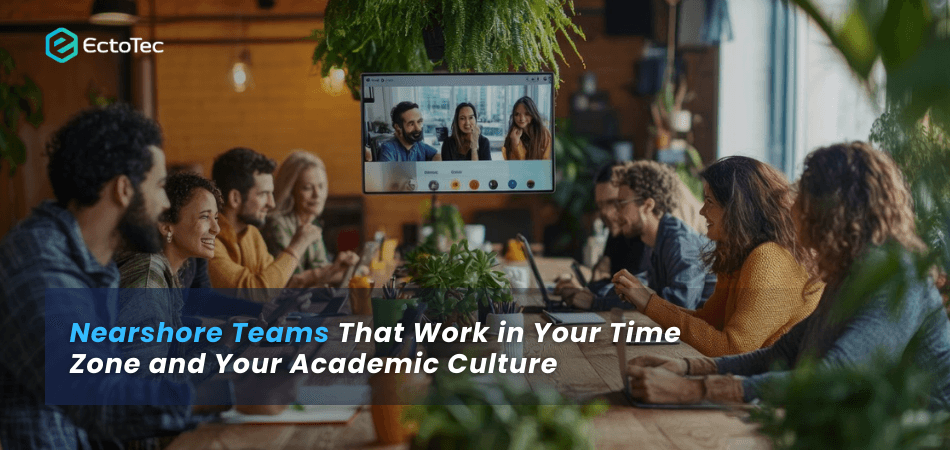
La contratación de IT nearshore proporciona una solución práctica a estas demandas, especialmente en la educación superior. A diferencia de la subcontratación offshore, los equipos nearshore comparten zonas horarias y contextos culturales, lo que permite la cooperación en tiempo real durante las horas de clase. Esto importa más de lo que podrías pensar. La asistencia del profesorado rara vez es un proceso de boletos sencillo. Las preguntas surgen frecuentemente durante las clases en vivo, los períodos de calificación y las fechas límite de diseño de cursos. Los profesionales nearshore pueden responder rápidamente, asistir a reuniones y comunicarse claramente, todo sin el retraso o desconexión que debilita la confianza. Igualmente esencial, los equipos nearshore pueden integrarse con el tiempo. Aprenden sobre las operaciones departamentales, cómo los profesores prefieren trabajar y cómo los calendarios académicos influyen en la demanda. Esta continuidad transforma el talento extranjero en una verdadera extensión de los equipos internos, en lugar de una capa de apoyo temporal.
Fortaleciendo Canvas LMS Operations Sin Sobrecargar a los Equipos Internos
Canvas se usa ampliamente en la educación superior, pero su utilidad depende en gran medida de cómo se diseña, mantiene y apoya. Muchas instituciones solo utilizan una parte de sus capacidades porque los equipos internos no tienen la capacidad para manejar todo a la vez. Los especialistas en LMS de nearshore ayudan a estabilizar y escalar el soporte de Canvas LMS asumiendo funciones operativas esenciales. Esto incluye la actualización de plantillas de cursos, la gestión de roles y permisos, la facilitación de interfaces con sistemas de información estudiantil y asegurar que las necesidades de accesibilidad y cumplimiento se satisfagan de manera rutinaria.
Debido a que estas personas se especializan en las operaciones de LMS, pueden anticiparse a las actualizaciones, probar nuevas características y manejar dificultades antes de que se conviertan en preocupaciones para el profesorado. Esto reduce la interrupción y permite que los equipos internos concentren sus esfuerzos en la innovación instructiva y proyectos estratégicos.
Haciendo que el análisis de LMS sea útil, no abrumador
Uno de los problemas más típicos en la educación superior es la disparidad entre la disponibilidad de datos y su utilidad. Canvas y otras plataformas de LMS producen una gran cantidad de información, sin embargo, muchos profesores nunca ven ni confían en estos datos de manera significativa. El personal en nearshore con conocimiento en análisis de LMS puede asistir a las instituciones a cerrar esta brecha. En lugar de generar informes complejos que quedan sin utilizar, se concentran en transformar los datos de LMS en percepciones que se correspondan con los objetivos de enseñanza. Esto podría incluir resaltar tendencias de participación, detectar señales tempranas de desinterés estudiantil o ayudar a los departamentos con datos a nivel de programa.
Cuando los análisis se presentan de manera clara y consistente, los educadores comienzan a verlos como herramientas de instrucción en lugar de monitoreo administrativo. Este sutil pero importante cambio es crítico para llevar la transformación digital de la educación superior más allá de la aceptación superficial de la tecnología.

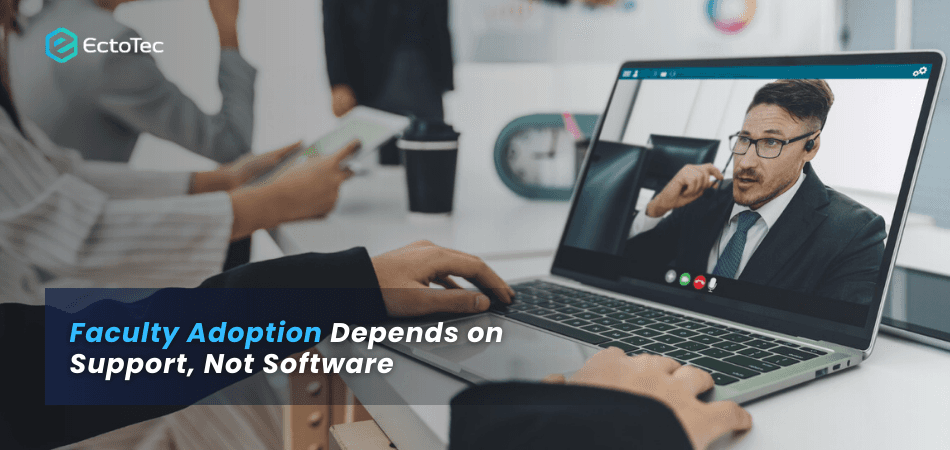
La adopción por parte de la facultad depende del apoyo, no del software
Los proyectos de tecnología en la educación superior a menudo tienen éxito o fracasan en función de un solo factor: la experiencia de la facultad. Incluso el LMS más efectivo no puede compensar los modelos de apoyo que son reactivos, impersonales o inaccesibles. Los equipos cercanos ayudan a fortalecer la adopción por parte de la facultad al ofrecer asistencia constante y centrada en las personas. Dado que están integrados y son a largo plazo, los docentes trabajan con rostros familiares que entienden tanto la plataforma como el entorno de enseñanza de la institución. Las conversaciones de apoyo cambian de "¿Cómo soluciono esto?" a "¿Cómo puedo enseñar mejor con esto?" Este cambio aumenta la confianza, disminuye la resistencia al cambio y, finalmente, mejora la madurez digital de la institución.
El talento nearshore como habilitador de la transformación digital sostenible
La verdadera transformación digital en la educación superior no implica una interrupción rápida. Se trata de crear sistemas que puedan evolucionar sin requerir una gestión continua de crisis. La contratación de personal de TI nearshore contribuye a esto al absorber la carga operativa mientras retiene el conocimiento institucional y la gobernanza. Los equipos internos adquieren espacio para respirar. Los miembros del profesorado reciben apoyo constante. La dirección obtiene una mayor comprensión del rendimiento y las tendencias de adopción del LMS. Lo más significativo es que las instituciones recuperan el poder de planificar en lugar de reaccionar. En lugar de ser impulsados por la escasez de personal, los proyectos digitales se vuelven intencionados, graduales y conectados con los intereses académicos.
Por Qué El Enfoque de Ectotec Está Alineado con Las Necesidades de la Educación Superior
Ectotec colabora con instituciones de educación superior que ven el apoyo a los profesores como una función estratégica, no como una simple ocurrencia del servicio de asistencia. Nuestro modelo de contratación de TI en la costa cercana está diseñado para complementar las culturas académicas en lugar de reemplazarlas. Enfatizamos la experiencia en LMS, la colaboración y la alineación a largo plazo. Nuestros equipos brindan apoyo para la configuración de Canvas LMS, la implementación de análisis y el empoderamiento de los docentes, colaborando estrechamente con las partes interesadas internas para asegurar la continuidad y la responsabilidad. La idea no es reemplazar a los equipos internos, sino reforzarlos estableciendo un sistema de apoyo que pueda expandirse a medida que cambien las necesidades institucionales.
Conclusión: Repensando el Apoyo a la Facultad a Largo Plazo
El apoyo a la facultad ya no se considera una preocupación secundaria en la educación superior. Es esencial para la calidad de la instrucción, el logro de los estudiantes y la resiliencia institucional. A medida que las plataformas de LMS crecen en alcance y complejidad, las escuelas deben ir más allá de los antiguos enfoques de empleo que no pueden mantenerse al día con la demanda. La contratación de personal de TI en cercanía, combinada con una sólida experiencia en LMS, proporciona un camino equilibrado que mezcla flexibilidad, continuidad y conexión personal. Al invertir en experiencia en cercanía, las universidades pueden mejorar el soporte de Canvas LMS, darse cuenta del valor de la analítica y apoyar a la facultad de maneras que se sienten receptivas en lugar de reactivas. Más crucialmente, sientan las bases para un cambio digital a largo plazo, en el que la tecnología apoya la educación en lugar de viceversa.