




6 minutos de lectura
El SaaS Migration Playbook para universidades de América Latina: Seguridad, Preparación para IA y Eficiencia Operativa



Por qué la adopción de SaaS está acelerando en América Latina
Seguridad y cumplimiento a un nuevo estándar
La ciberseguridad universitaria es ahora una preocupación principal. Los sistemas heredados con ciclos de actualización lentos y poco monitoreo ya no son adecuados a la luz del creciente número de ataques a instituciones educativas en todo el mundo. Las plataformas SaaS mejoran la postura de seguridad de una organización al:
Actualizaciones automáticas que eliminan vulnerabilidades regularmente
Cifrado completo de datos
Equipos de seguridad dedicados que ayudan con la detección de amenazas en tiempo real
Adhesión integrada a leyes nacionales e internacionales
Los sistemas tradicionales son incapaces de ofrecer este nivel de seguridad para las universidades que manejan datos de investigación sensibles, información financiera y perfiles de estudiantes.
Preparación de IA y el Futuro de la Innovación Académica
La IA ha surgido rápidamente como un componente clave de la modernización digital. El análisis predictivo, los programas de tutoría inteligente, los procedimientos administrativos automatizados y las rutas de aprendizaje personalizadas son todos deseados por las instituciones educativas. Sin embargo, estas capacidades requieren una infraestructura escalable y adaptable. Esa base es proporcionada por las plataformas SaaS. Los entornos SaaS, ya sea implementados a través de Banner SaaS para sistemas administrativos o Canvas SaaS para el aprendizaje, apoyan:
Implementación rápida de herramientas de IA
Disponibilidad de amplios recursos computacionales
Integración de aplicaciones de IA de terceros con facilidad
Tuberías de datos en tiempo real para la toma de decisiones basada en análisis
Adoptar SaaS le da a las universidades un entorno a prueba de futuro que puede expandirse con nuevas tecnologías de IA.
Eficiencia Operativa y Optimización de TI
La administración de servidores, los planes de respaldo, los parches de software, las licencias complicadas y la resolución manual de problemas a veces sobrecargan a los equipos de TI de las universidades. Como resultado, hay poco espacio para la innovación y tiempos de reacción lentos.
Esta dinámica se modifica con la migración a SaaS, que transfiere la responsabilidad a los proveedores de la nube. El impacto es inmediato:
Las cargas de trabajo de TI han disminuido significativamente.
La previsibilidad del rendimiento del sistema aumenta.
Los usuarios reciben actualizaciones y soporte más rápidamente.
Los empleados pueden concentrarse en iniciativas de modernización estratégica.
Este cambio mejora enormemente la capacidad de crecimiento de la institución y resulta en ganancias de eficiencia a largo plazo.
Abordando las principales barreras para Migración de SaaS
Sistemas heredados y fragmentación de datos
Sistemas más antiguos que han estado profundamente arraigados en las operaciones diarias se utilizan en numerosas universidades. La migración se complica por los datos almacenados en formatos obsoletos o en servidores dispersos. Se requiere una reorganización meticulosa para mover décadas de archivos académicos, datos financieros y registros de estudiantes.
El desafío es uno de los más grandes, pero también es el más manejable con la preparación adecuada.
Cambio Gestión y Preocupaciones de Adopción
Una universidad se transforma por las personas, no solo por la tecnología. Los estudiantes, el personal docente y el personal administrativo podrían ser reacios a adoptar nuevos sistemas.
Las preocupaciones típicas son las siguientes:
Miedo a nuevos procedimientos
Miedo a perder datos
Reacia a adquirir nuevas habilidades digitales
Preocupaciones sobre la disminución de la productividad durante el cambio
La gestión temprana del cambio evita perturbaciones posteriores.
Cumplimiento y Soberanía de Datos
Las regulaciones sobre la protección de datos varían entre las naciones de América Latina. Ciertos tipos de datos deben mantenerse dentro de las fronteras nacionales por algunas organizaciones. Para el uso en la nube, otros deben proporcionar procedimientos adicionales de consentimiento o documentos de respaldo.
Con sus centros de datos localizados y características de cumplimiento adaptables, los proveedores de SaaS han tomado más conciencia de esto. Sin embargo, las universidades deben asegurarse de que las capacidades del servicio en la nube y los requisitos regulatorios estén alineados.
Planificación Presupuestaria y ROI a Largo Plazo
Las universidades deben reconocer que la transición requiere algunas inversiones iniciales, aunque el SaaS reduce drásticamente los gastos operativos a lo largo del tiempo. La estructura de costos inicial a menudo incluye licencias, sesiones de capacitación, ejercicios de migración de datos y ajustes de integración. Las empresas que migran exitosamente a SaaS adoptan una perspectiva a largo plazo, concentrándose en beneficios anticipados como una carga de trabajo de TI reducida, mayor tiempo de actividad y una mejor toma de decisiones basada en datos. Cuando se combina con una presupuestación por fases, la modelación clara del ROI ayuda a las universidades a gestionar la curva financiera sin interferir con las actividades académicas continuas.
Cómo las Universidades Pueden Superar los Desafíos de Migración
Comenzar con un Enfoque por Fases y Enfocado
El mejor curso de acción suele ser un despliegue lento. Las universidades pueden generar un impulso inicial y aumentar la confianza del personal comenzando con unidades no críticas o autocontenidas. Antes de asumir sistemas delicados como finanzas o todo el sistema de información estudiantil, los equipos pueden mejorar sus procedimientos gracias a este marco por fases. Por ejemplo, la adopción temprana de Canvas SaaS en el sistema de gestión del aprendizaje beneficia de inmediato a instructores y estudiantes sin poner en peligro procesos administrativos esenciales.
Fortalecer la Gobernanza y Calidad de los Datos
Una reubicación exitosa depende en gran medida de la calidad y claridad de los datos institucionales. Antes de la transición al SaaS, las instituciones deben mapear todo su paisaje de datos: identificar a los custodios, resolver errores, estandarizar formatos y establecer políticas de retención y archivo. Cuando esta base se completa correctamente, el proceso de migración se vuelve más eficiente, preciso y compatible con los requisitos regulatorios. Los datos limpios, en última instancia, aceleran la integración con plataformas como Banner SaaS y aseguran que las soluciones de IA funcionen de manera efectiva una vez instaladas.
Invertir en Capacitación y Gestión del Cambio
La adopción de tecnología solo será exitosa si las personas están preparadas. Las instituciones que invierten en capacitación construyen confianza, minimizan la resistencia y facilitan la transferencia. Durante los primeros meses, a menudo se ofrecen cursos específicos para roles, instrucciones prácticas y canales de soporte fácilmente accesibles. Muchas instituciones también seleccionan "campeones digitales" dentro de los departamentos, personas de confianza que ayudan a sus colegas a adaptarse a los nuevos procedimientos. Tales enfoques centrados en las personas no solo aumentan la adopción, sino que también fomentan una cultura de modernidad digital.
Formar Fuertes Alianzas con Proveedores
Trabajar en estrecha colaboración con proveedores de SaaS es crítico para reducir la dificultad de la migración. Proveedores como Canvas SaaS y Banner SaaS a menudo ofrecen ayuda estructurada, asistencia en la mapeo de datos, orientación de integración, entornos de prueba de sandbox y hojas de ruta claras para las futuras capacidades de IA. Estas colaboraciones facilitan la toma de decisiones y aseguran que la estrategia digital a largo plazo de la universidad se mantenga en sintonía con las tendencias tecnológicas cambiantes.
Una Lista de Verificación Práctica de Preparación para la Migración
Aunque cada escuela es única, la mayoría de las universidades que se preparan para la migración a SaaS evalúan la preparación en algunas áreas consistentes:
Evaluación de Infraestructura: Comprender el entorno actual, determinar los requisitos de integración e identificar la deuda técnica.
Alineación de Seguridad y Cumplimiento: Asegurar que la seguridad de los datos, las regulaciones de privacidad y los requisitos de residencia se cumplan adecuadamente.
Preparación de Datos: Limpieza y estandarización de conjuntos de datos para prevenir errores e inconsistencias durante la migración.
Planificación de Capacitación y Soporte: Preparar a la comunidad a través de talleres, documentación y comunicación abierta.
Requisitos de IA y Escalabilidad: Determinar qué casos de uso académicos y administrativos requerirán análisis avanzados o soluciones de IA.
Evaluación de Proveedores
Revisar los acuerdos de nivel de servicio, garantías de tiempo de actividad, modelos de servicio y hojas de ruta de productos a largo plazo.
Esta lista de verificación sirve como una referencia guía, asegurando que la institución permanezca alineada y preparada a lo largo del proceso de reubicación.

Perspectivas de Instituciones que ya Usan SaaS
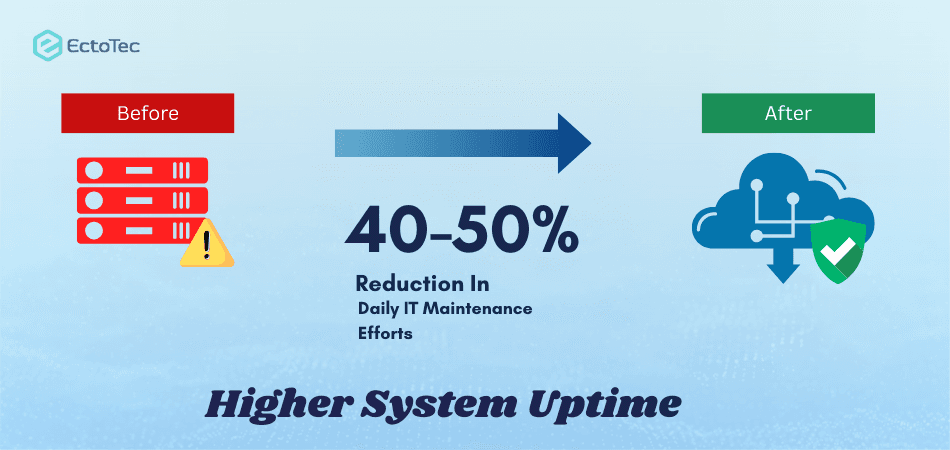
Las universidades en América Latina que han completado migraciones a SaaS citan una variedad de mejoras medibles. Las organizaciones de TI frecuentemente ven una reducción del 40-50% en el esfuerzo diario cuando las responsabilidades de mantenimiento se transfieren a los proveedores. El tiempo de actividad del sistema aumenta considerablemente, permitiendo que estudiantes y personal confíen en las plataformas. Los entornos SaaS proporcionan flujos de datos más limpios y accesibles, lo que permite a las instituciones implementar tecnologías de aprendizaje habilitadas por IA más rápidamente y obtener insights más profundos a través de análisis mejorados. Las operaciones administrativas que antes estaban dispersas se vuelven más interconectadas, resultando en flujos de trabajo más suaves y predecibles.
Estos resultados demuestran que los beneficios de SaaS se extienden mucho más allá de las mejoras en infraestructura, influyendo en la calidad académica, la productividad del personal y la competitividad general de la institución.
Avanzando hacia un Universidad Moderna y Preparada para la IA Ecosistema
El futuro de la educación superior es indudablemente basado en la nube. La migración a SaaS proporciona a las universidades de América Latina la agilidad, seguridad y capacidades de datos necesarias para competir a nivel mundial. Soluciones en la nube como Canvas SaaS y Banner SaaS ayudan a las instituciones a sentar las bases para una transformación digital a largo plazo que sea segura, escalable y preparada para la IA.
SaaS es más que solo una mejora tecnológica; es un compromiso estratégico con la innovación educativa, la excelencia operativa y una mejor experiencia para todos los estudiantes y partes interesadas.