



6 min read
Building a Student Success Dashboard in 30 Days: Using LMS + SIS Data With AI Predictive Models



Leveraging LMS and SIS Data for Insight
The integration of data from the Student Information System (SIS) and Learning Management System (LMS) is the foundation of any successful student success dashboard. Participation in forums, assignment submission, quiz results, and contacts with instructors are just a few of the many activity data that LMS platforms like Canvas gather. Even seemingly insignificant actions, like how often students check in or when they turn in assignments, might reveal trends of student engagement. Institutions can find patterns that link academic achievement and retention risk by monitoring these data points over time.
However, context that is frequently absent from LMS data alone is provided by SIS data, such as Banner data. The analysis is strengthened by data on student demographics, enrollment history, cumulative GPA, past academic difficulties, and program of study. For instance, a student with consistently high grades may not be at risk if their participation in Canvas conversations declines; on the other hand, a student who frequently fails courses may need prompt attention even if their engagement seems modest. Institutions can identify these subtleties by combining LMS and SIS statistics, providing a thorough picture of student performance.
The dashboard can be enhanced by other sources like as survey results, e-learning platforms, and video lecture analytics in addition to LMS and SIS. Aspects of student involvement that are not apparent in conventional academic measurements, such as interest in course materials, receptivity to criticism, and peer network collaboration, might be highlighted by these extra data points. Dashboards can become predictive tools that direct meaningful interventions by capturing various aspects of student behavior instead of just descriptive ones.
Defining Metrics and Predictive Models
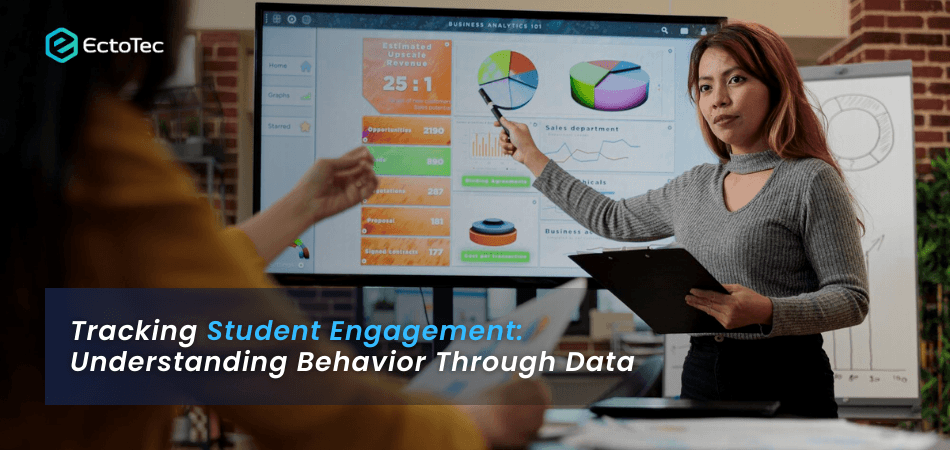
The next crucial step is to define relevant student performance measures when data sources have been identified. Metrics should be selected according to their capacity to shed light on academic results as well as engagement. Assignment completion rates, interaction scores that gauge faculty-student interactions, an engagement index that incorporates login frequency, discussion involvement, and tool usage, and early-risk indicators that pinpoint students who might want further assistance are examples of common measures. Metrics must be actionable, which means that rather than just reporting activities, they should offer recommendations for interventions.
Applying AI predictive models to these metrics is where a student success dashboard's real value lies. Logistic regression, decision trees, and random forest models are examples of machine learning algorithms that may evaluate both past and current data to forecast which kids are most likely to experience academic difficulties. For instance, a model may show that students who log in less than twice a week and skip two consecutive assignments are much more likely to fail a course. As fresh data is received, predictive models can be updated continuously, increasing accuracy over time.
Predictive models can also facilitate automated interventions, which are especially useful in large schools where it is not feasible to manually monitor every student. Dashboards might recommend tutoring sessions, counseling, or individualized learning resources and send alerts to advisers, teachers, or students. Predictive analytics and automated support work together to guarantee that interventions are immediate, focused, and scalable, eventually assisting pupils in staying on course.
Designing the Dashboard for Actionable Insights
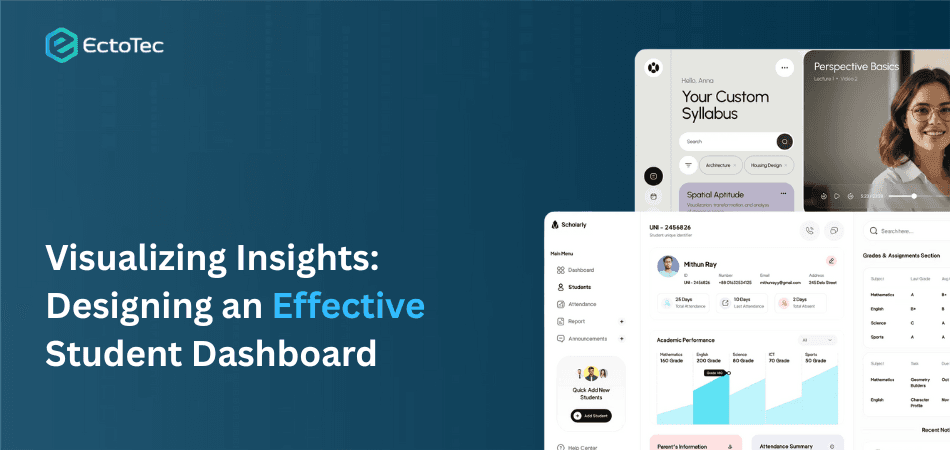
Careful design is necessary to create a dashboard that is both aesthetically pleasing and practical. Presenting complicated datasets in a way that instructors and administrators can quickly understand and use is the aim. Visualizations like heatmaps for assignment completion, trend lines illustrating engagement over time, and risk scores for specific students or cohorts are frequently found in effective dashboards. Stakeholders can dive into certain areas of interest without losing the general context by using filters based on courses, programs, or demographic categories.
For smooth data flow, Canvas and Banner APIs can be linked with programs like Power BI, Tableau, or even web-based dashboards created on open-source platforms. While historical data can be used to assess long-term trends, real-time updates enable administrators to track changes instantly. Dashboards can also be set up to deliver summary reports regularly, facilitating both macro-level planning and micro-level interventions. An administrator might swiftly determine, for instance, that students in a specific course section are performing worse than others, which might prompt an assessment of teaching strategies or support services.
The dashboard design must strike a balance between depth and clarity. While simple designs may conceal important insights, overly complex visuals may confuse consumers. The dashboard will continue to be a useful tool for raising student achievement thanks to user-centered design concepts like clear labeling, easy navigation, and interactive elements.
Linking Analytics to Retention Strategies
Enhancing retention through data-driven interventions is the ultimate goal of a student success dashboard. Institutions can address issues before they worsen by connecting predictive insights to practical solutions. For example, preemptive support like study groups, tutoring, or individualized learning plans can be provided to pupils who have been identified as at-risk. Academic advisers can give priority to students who require immediate care, and faculty might modify instructional tactics depending on engagement trends.
Dashboards offer a more comprehensive viewpoint that enhances institutional planning beyond individual interventions. Leadership can find systemic problems impacting retention by using aggregate data to detect patterns across programs, courses, or demographics. Predictive models can be improved over time by ongoing monitoring and feedback loops, increasing both their accuracy and the efficacy of ensuing treatments.
Success may be guaranteed with a planned 30-day implementation roadmap. Data collection, metric definition, and cleaning take up the first two weeks. Building predictive models, creating dashboard visualizations, and establishing automated alerts are all part of weeks three and four. Faculty and administrators will have a useful, data-driven tool at the end of the month that offers quantifiable results and instant value.

Conclusion:
To sum up, a well-thought-out student success dashboard has the potential to completely change how educational establishments track and assist student achievement. Institutions can obtain a comprehensive knowledge of student performance and engagement by combining LMS and SIS data, establishing actionable indicators, and utilizing AI prediction models. Dashboards help at-risk students stay on course and drive more comprehensive retention strategies by enabling tailored interventions in addition to real-time insights. These data-driven technologies enable educators and administrators to make proactive, evidence-based decisions, ultimately enhancing student outcomes and supporting long-term academic achievement when deployed carefully, even within a 30-day deadline.