



6 min read
Cómo Datos Integrados de SIS + LMS Mejoran la Toma de Decisiones Institucionales


Por qué SIS + LMS Integración es importante en la educación superior
A través de universidades y colegios, SIS y LMS cumplen objetivos diversos pero complementarios.
SIS es el sistema principal de registro para admisiones, matriculación, demografía estudiantil, ayuda financiera, registros académicos, informes de cumplimiento y seguimiento de graduaciones.
El LMS se centra en la enseñanza y el aprendizaje, distribuyendo materiales de curso y rastreando la participación, envíos, evaluaciones, actividad estudiantil e interacciones con instructores.
La integración en tiempo real conecta varios sistemas, creando una única fuente de verdad para cada estudiante. Esto elimina los silos, permitiendo la toma de decisiones basada en datos a gran escala.
El Valor Estratégico de Datos Integrados
1. Matrículas y Registros Académicos Precisos en Tiempo Real
Una de las implicaciones más prácticas de la integración SIS + LMS es la precisión:
Cuando un estudiante se inscribe o cancela un curso en el SIS, el horario se sincroniza inmediatamente con el LMS.
El LMS transfiere automáticamente calificaciones, asistencia y datos de participación al SIS, eliminando la necesidad de ingreso humano o retrasos.
La sincronización en tiempo real elimina los registros desajustados y los perfiles duplicados y asegura que el liderazgo de la institución tenga una imagen precisa de la matrícula y el progreso.
Ventaja Operativa: La reducción del tiempo administrativo y los errores conduce a una incorporación más rápida, una mejor elaboración de informes de cumplimiento y transiciones académicas más suaves.
2. Mejores Perspectivas para la Planificación Académica y Operativa
Los datos integrados permiten amplias capacidades analíticas.
Los datos del SIS muestran tendencias históricas en matrícula, demografía, retención e indicadores de graduación.
Los datos del LMS proporcionan patrones de compromiso en el aprendizaje, como envíos de tareas, acceso a recursos, participación y rendimiento.
Cuando se integran, estos conjuntos de datos proporcionan perfiles completos de los estudiantes, lo que permite decisiones basadas en evidencias.
Mediante la integración, los administradores pueden responder consultas como:
¿Están cambiando los patrones de matrícula por programa o cohorte?
¿Qué cursos o segmentos de estudiantes presentan riesgos de rendimiento o compromiso?
¿Cuáles son los obstáculos operativos en la inscripción y la asesoría académica?
Según informes de la industria, las universidades que emplean análisis unificados obtienen mejores resultados en retención porque pueden abordar los problemas de los estudiantes antes de que surjan.
3. Éxito y apoyo proactivo del estudiante
Para los equipos de éxito estudiantil, los conocimientos oportunos pueden marcar toda la diferencia. Los paneles integrados pueden identificar señales tempranas de desinterés, como baja actividad en las tareas o disminución de la frecuencia de inicio de sesión. Los asesores pueden adaptar las intervenciones a las necesidades específicas de los estudiantes utilizando las puntuaciones de participación de LMS, la inscripción de SIS y el historial académico. Esta función apoya las estrategias de retención basadas en datos al identificar a los estudiantes en riesgo desde el principio, lo que permite a las instituciones responder de manera proactiva e intencionada en lugar de reactiva.
4. Mejora del Cumplimiento, Reportes y Asignación de Recursos
Los datos precisos y uniformes también simplifican los informes institucionales, tanto internos como para interesados externos (como agencias de acreditación).
Los beneficios incluyen:
Creación automática de informes de cumplimiento a partir de sistemas unificados.
Reconciliación de datos manual simplificada entre departamentos.
Mejora en la precisión del cumplimiento durante los ciclos de auditoría y revisión
Integrar SIS con LMS ahorra costos administrativos, permitiendo que el personal se concentre en objetivos estratégicos en lugar de deberes repetitivos.
Canales de Datos que Permiten la Toma de Decisiones Integradas
Los canales de datos son el corazón de la integración SIS + LMS, proporcionando flujos automatizados que garantizan que la información se transfiera sin problemas entre sistemas. Así es como a menudo funcionan en entornos de educación superior:
1. Sincronizaciones Impulsadas por API
Las Interfaces de Programación de Aplicaciones (API) conectan el SIS y el LMS, permitiendo que los eventos en un sistema (por ejemplo, inscripciones, bajas, modificaciones de calificaciones) se reflejen inmediatamente en el otro sin necesidad de intervención del usuario.
Por ejemplo:
Cuando un estudiante se inscribe en un curso a través del SIS, el LMS recibe una actualización instantánea a través de la API, actualizando automáticamente el acceso al curso y las listas de estudiantes.
Una vez que los instructores ingresan las calificaciones finales en el LMS, el SIS captura inmediatamente los datos para transcripciones y análisis.
Este ciclo en tiempo real mejora la limpieza de datos y minimiza los atrasos en la conciliación.

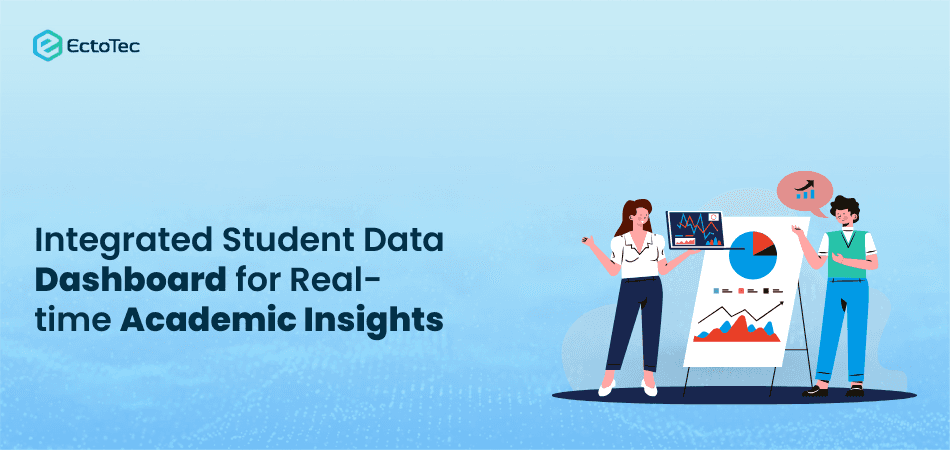
2. Tableros de Analíticas Centralizadas
Una vez que los datos pasan a través de tuberías unificadas:
Los datos se recopilan en repositorios centrales (como almacenes de datos o lagos en la nube).
Las herramientas de análisis muestran indicadores de rendimiento críticos en todos los departamentos.
Los equipos de liderazgo pueden crear tableros de "pane de vidrio único" que incluyen información académica, administrativa, financiera y de participación en LMS.
Ejemplo: Visualizar las inscripciones, la retención y las señales de participación estudiantil puede ayudar a identificar programas con participación o brechas de rendimiento en disminución, permitiendo a los tomadores de decisiones invertir recursos de manera más estratégica.
3. Interoperabilidad Entre Sistemas Institucionales
Más allá de SIS y LMS, las tuberías de datos integradas a menudo se extienden a sistemas CRM, lo que permite la participación e gestión del ciclo de vida del estudiante de manera individualizada, así como sistemas ERP, que ayudan en la elaboración de informes financieros y presupuestarios. También alimentan motores de análisis para modelado predictivo y sistemas de alerta temprana. Este enfoque ecosistémico asegura que los líderes institucionales basen sus decisiones en un conjunto integral e integrado de datos estudiantiles y operativos, en lugar de instantáneas aisladas.
Resultados Operativos Reales de Datos Integrados
Así es como los datos integrados mejoran directamente el rendimiento institucional:
Ciclos de Inscripción Más Rápidos
Los flujos de trabajo automatizados reducen los tiempos de procesamiento, aumentan la precisión y mejoran la experiencia del estudiante desde la aceptación hasta el primer día de clase.
Reducción de la Carga Administrativa
La publicación automatizada de calificaciones y actualizaciones de listas permite a registradores y personal enfocarse en tareas de mayor valor, como la asesoría y el apoyo a los estudiantes.
Mejor Asignación de Recursos
La analítica integral permite a los ejecutivos estimar con precisión las necesidades de personal, aulas e inversiones en programas.
Mejores Métricas de Éxito Estudiantil
Al combinar la interacción del LMS con el historial académico del SIS, las instituciones pueden mejorar enormemente la detección temprana de riesgos, resultando en mayores tasas de retención y finalización.

Conclusión
La integración de los datos de SIS y LMS es ahora una herramienta estratégica para las instituciones de educación superior que buscan ser impulsadas por datos, flexibles y centradas en el estudiante. Desde la mejora de la eficiencia operativa y el cumplimiento hasta las intervenciones proactivas para el éxito estudiantil, los datos unificados permiten a los líderes tomar decisiones más informadas en todos los niveles.
Para garantizar la resiliencia institucional y el rendimiento a largo plazo, las universidades deben priorizar la integración de sistemas y la analítica del éxito estudiantil durante la transformación digital.